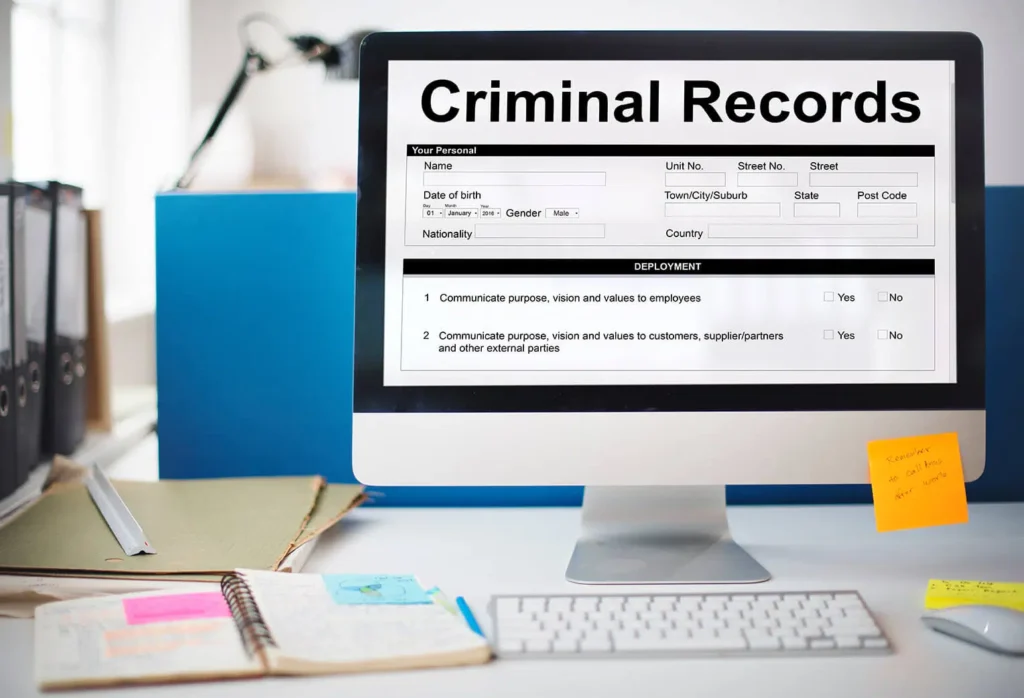
Many people underestimate the long-term impact of a criminal record. While a criminal case may eventually come to an end, the consequences of a conviction can continue affecting your life for years afterwards.
A criminal record can influence your employment opportunities, travel plans, professional reputation, and even your ability to study or secure financial opportunities.
Understanding these consequences and knowing what legal remedies may be available is essential.
What Is a Criminal Record?
A criminal record is an official record of a person’s criminal convictions and certain legal findings recorded by the South African Police Service (SAPS).
This information is stored on the Criminal Record Centre database.
How Does a Criminal Record Affect Employment?
One of the biggest impacts is employment.
Many employers conduct criminal background checks before hiring staff.
Most positions involving:
Finance
Education
Security
Government positions
Work involving children
A criminal record may:
Limit job opportunities
Affect promotions
Damage professional reputation
Can a Criminal Record Affect Travel?
Yes.
Certain countries may:
Refuse visa applications.
Deny entry.
Request police clearance certificates.
This can impact:
International travel.
Immigration applications.
Work opportunities abroad.
Impact on Studies and Professional Registration
Some educational institutions and professional bodies may require disclosure of criminal convictions.
This can affect registration in professions such as:
Law
Teaching
Healthcare
Financial services
What Does South African Law Say?
The criminal justice process is governed by the:
Criminal Procedure Act 51 of 1977
Constitution of the Republic of South Africa, 1996
Protecting your rights during criminal proceedings.
Early legal intervention can often reduce long-term consequences.
A criminal record can affect far more than just a court case; it can influence your future opportunities, career, travel, and reputation.
Understanding your rights and obtaining proper legal advice can make a significant difference in protecting your future and exploring possible remedies such as expungement.