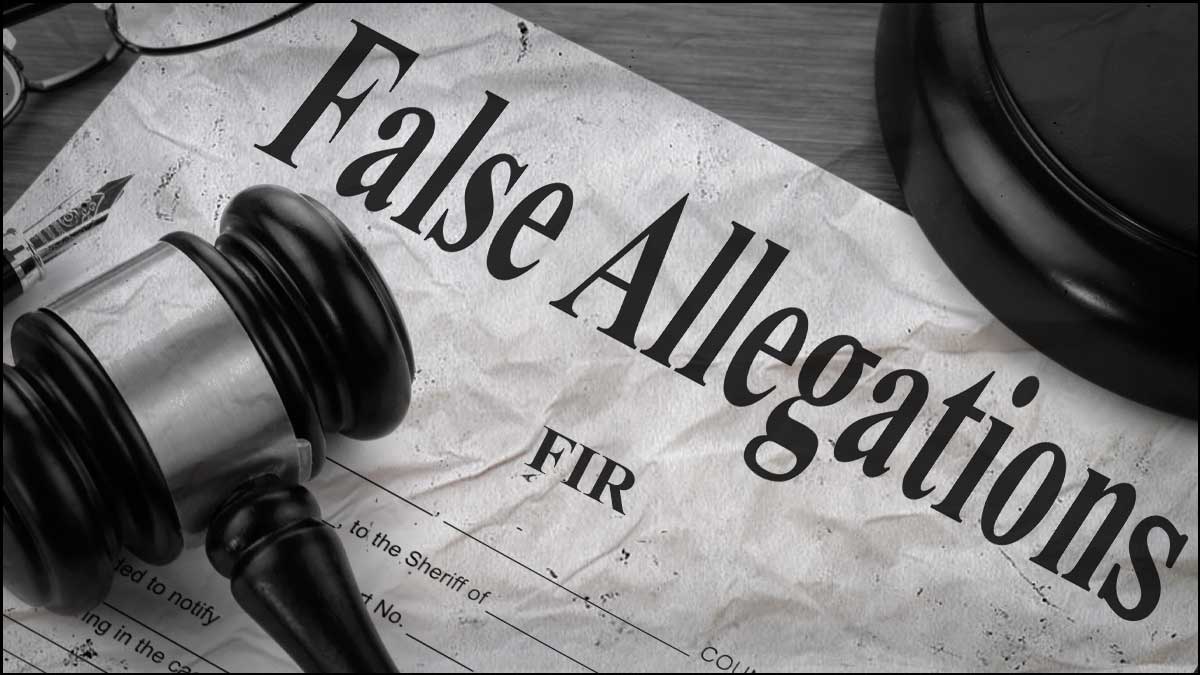
Being falsely accused of a crime is a deeply distressing experience. It can affect your reputation, your career, and your personal life, even before the matter reaches court.
In these situations, knowing your rights and taking the correct legal steps early can make a significant difference in protecting your future.
What Does “False Accusation” Mean?
A false accusation occurs when a person is alleged to have committed a crime they did not commit. This may arise from:
Regardless of the reason, the law provides protections for individuals who are wrongfully accused.
Your Rights Under South African Law
Your rights are protected by the:
- Constitution of the Republic of South Africa, 1996
- Criminal Procedure Act 51 of 1977
Key Constitutional Protection:
“Every accused person has a right to a fair trial…”
(Section 35(3) of the Constitution)
You are also presumed innocent until proven guilty.
Remain Calm and Exercise Your Right to Silence
If you are accused or arrested:
“Everyone who is arrested… has the right to remain silent.”
(Section 35(1)(a) of the Constitution)
Do not try to explain your side immediately without legal advice. Anything you say can be used as evidence.
Contact an Attorney Immediately
You have the right to legal representation:
“Every detained person has the right to choose, and to consult with, a legal practitioner…”
(Section 35(2)(b))
An attorney will:
- Advise you on your rights
- Protect you during questioning
- Prepare your defence strategy
Gather Evidence
Start collecting any evidence that supports your innocence, such as:
- Messages or emails
- Witness statements
- CCTV footage
- Alibis
Early preparation is critical in building a strong defence.
Understand the Burden of Proof
In criminal matters:
The State must prove your guilt beyond a reasonable doubt.
If there is doubt, the court must find you not guilty.
Challenge the Case
Your legal team may:
- Apply for bail if you are arrested
- Challenge the strength of the State’s case
- Cross-examine witnesses
- Apply for withdrawal of charges where appropriate
Avoid Contact with the Complainant
Do not attempt to confront or communicate with the person who made the accusation.
This could:
- Complicate your case
- Be seen as interference
- Lead to additional charges
Can You Take Action Against False Accusations?
Yes.
If someone intentionally makes a false allegation, you may have grounds for:
1. Civil Claim (Defamation)
Damage to your reputation may allow for a claim.
2. Criminal Charges
False reporting to police may result in charges against the complainant.
Relevant Legal Principle
“Any person who makes a false statement to the police knowing it to be false may be guilty of an offence.”
(General principle under South African criminal law)
Conclusion
“Any person who makes a false statement to the police knowing it to be false may be guilty of an offence.”
(General principle under South African criminal law)