Domestic violence can leave victims feeling trapped, fearful, and unsure of where to turn. Whether the abuse is physical, emotional, verbal, financial, psychological, or sexual, South African law provides legal protection for those experiencing abuse.
One of the most important legal remedies available is a Protection Order.
Understanding how protection orders work and how to apply for one can be a critical step toward safety and protection
What Is Domestic Violence?
Domestic violence refers to abusive behaviour within a domestic relationship that causes harm or creates fear.
In South Africa, domestic violence is governed by the Domestic Violence Act 116 of 1998.
Domestic violence can include:
Physical abuse
Emotional or psychological abuse
Verbal abuse
Sexual abuse
Economic abuse
Intimidation
Harassment
Stalking
Damage to property
Coercive or controlling behaviour
Domestic violence does not only occur between spouses — it may also occur between:
Partners or ex-partners
Family members
People living in the same household
Parents and children
People in dating relationships
What Is a Protection Order?
A Protection Order is a court order designed to protect a person from further abuse or harassment.
It legally prohibits the abuser (the respondent) from committing certain acts, such as:
Assaulting you
Threatening or intimidating you
Contacting or harassing you
Coming near your home or workplace
Damaging your property
If the order is violated, the respondent may be arrested.
Who Can Apply for a Protection Order?
Any person in a domestic relationship who is experiencing abuse may apply.
Applications may also be brought on behalf of:
A child
A disabled person
An elderly person
Someone unable to apply themselves
How to Apply for a Protection Order
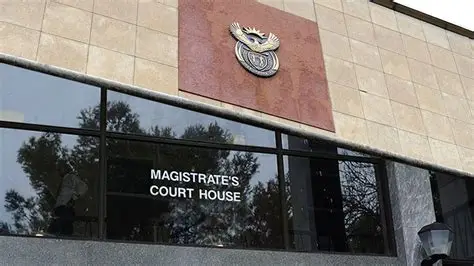
Step 1: Go to the Nearest Magistrate’s Court
You can apply at the Magistrate’s Court closest to where:
You live
The respondent lives
The abuse took place
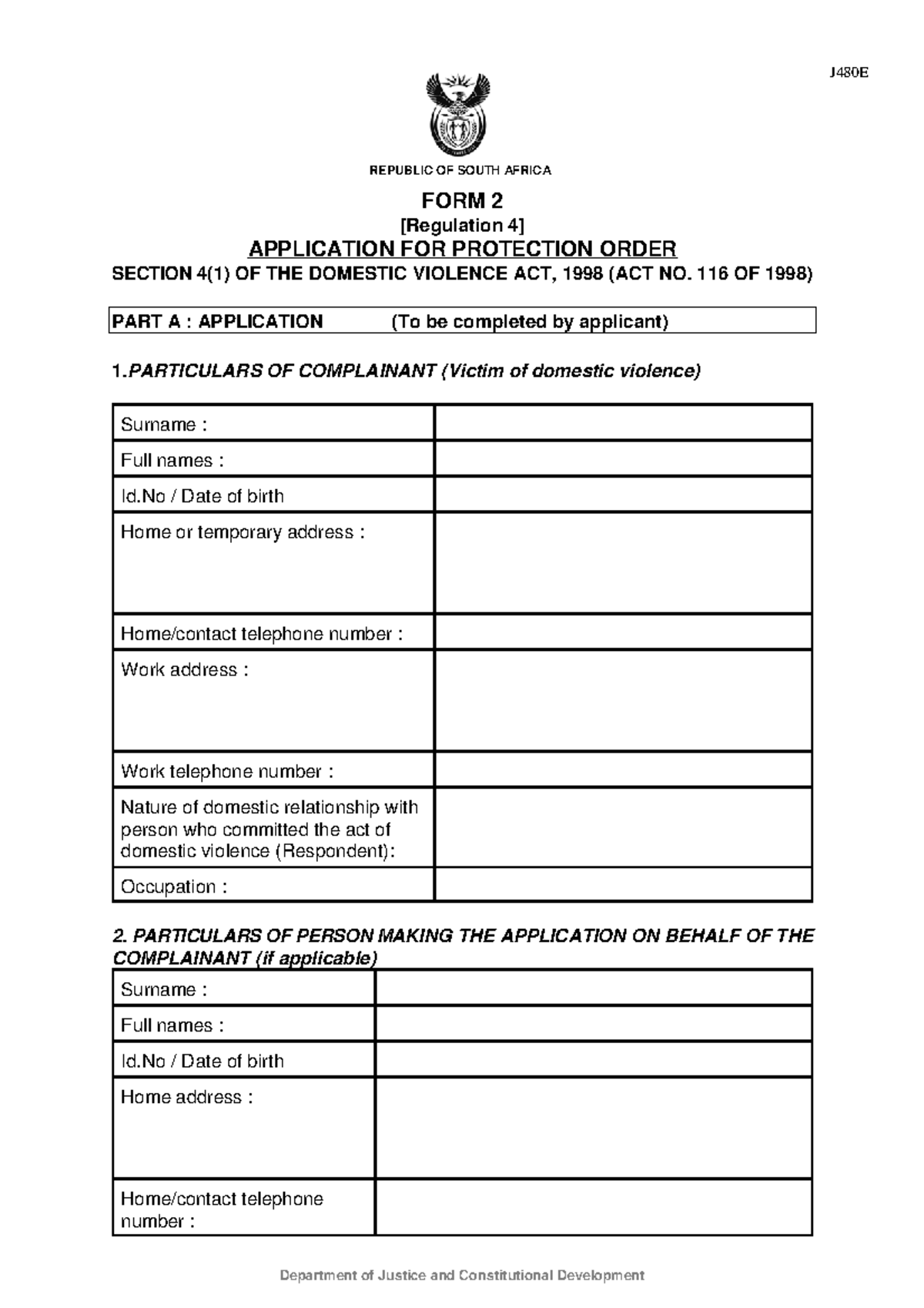
Court staff will provide the required application forms.
Step 2: Complete the Application Form
You will need to provide details about:
The respondent
Your relationship
Incidents of abuse
Threats or harm suffered
Why protection is needed
Be as detailed and specific as possible.
Include:
Dates
Times
Witnesses
Photos/messages if available
Step 3: Request an Interim Protection Order (Urgent Cases)
If the court believes there is immediate danger, it may grant an Interim Protection Order without the respondent being present.
This provides temporary protection until the final hearing.
Step 4: Service on the Respondent
The respondent must receive formal notice of the order and hearing date.
This is usually done by:
The Sheriff
SAPS (South African Police Service)
Step 5: Attend the Court Hearing
At the hearing, the Magistrate will consider:
Your evidence
The respondent’s response
Supporting witnesses or documents
The court then decides whether to make the order final.
What Happens If the Protection Order Is Violated?
This is extremely important.
When a protection order is granted, the court often issues a suspended warrant of arrest.
If the respondent breaches the order:
Contact SAPS immediately
Provide the protection order
Report the violation
The respondent may be arrested and charged.
What Does the Law Say?
The Domestic Violence Act provides legal protection to victims.
The Act states:
“The purpose of this Act is to afford the victims of domestic violence the maximum protection from domestic abuse that the law can provide.” (Preamble, Domestic Violence Act 116 of 1998)
Why Legal Advice Matters
Applying for a protection order can feel overwhelming, especially during a traumatic time.
An attorney can assist with:
Protection order applications
Court preparation
Gathering evidence
Opposed hearings
Related criminal or family law matters
Legal guidance can help ensure your safety and strengthen your case.
No one deserves to live in fear.
South African law provides strong protections for victims of domestic violence, and a protection order can be a powerful legal tool to help secure safety and peace of mind.
If you or someone you know is experiencing abuse, seek help as soon as possible.