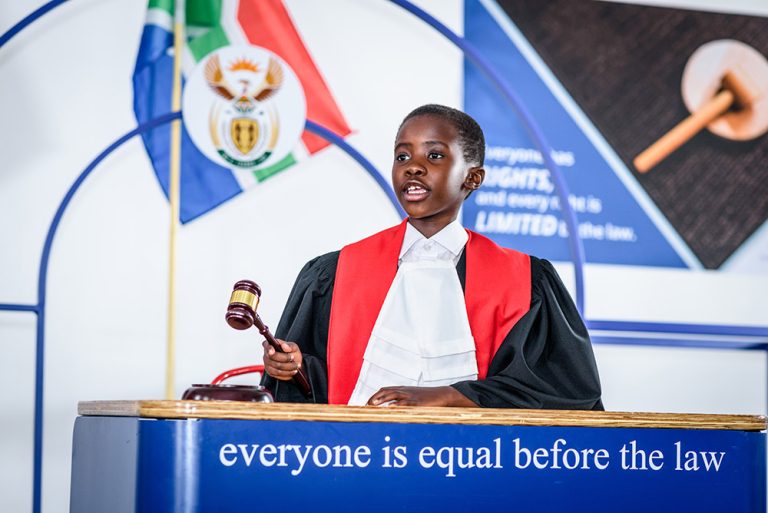
What Is the Role of the Children’s Court in South Africa?

When the safety, wellbeing, or care of a child is at risk, many people are unsure where to turn for help. In South Africa, the Children’s Court plays a vital role in protecting children’s rights and ensuring that decisions affecting them are made in their best interests.
Whether the matter involves care, protection, abuse, neglect, or parental responsibilities, the Children’s Court has the authority to hear and decide a wide range of child-related cases.
Understanding the role of the Children’s Court can help parents, guardians, caregivers, and family members navigate difficult situations with confidence.
What Is the Children's Court?
The Children’s Court is a specialised court established under the Children’s Act 38 of 2005 to deal with matters affecting children.
Its primary purpose is to:
- Protect children’s rights
- Safeguard children’s wellbeing
- Resolve disputes involving children
- Make decisions that are in the best interests of the child
Unlike criminal courts, the Children’s Court focuses on the care, protection, and welfare of children rather than punishing offenders.
What Types of Cases Does the Children's Court Hear?
The Children’s Court may hear matters involving:
Care and protection of children
Child neglect or abandonment
Child abuse
Foster care applications
Adoption-related matters (where applicable)
Guardianship disputes
Certain parental responsibilities and rights matters
Children's Court inquiries
Alternative care arrangements
The Best Interests of the Child
The cornerstone of every Children’s Court decision is the principle contained in Section 9 of the Children’s Act 38 of 2005:
“In all matters concerning the care, protection and well-being of a child, the standard that the child’s best interests are of paramount importance must be applied.”
This means the court considers what will best promote the child’s physical, emotional, educational, and developmental needs.
Who Can Approach the Children's Court?
Applications may be brought by:
- Parents
- Guardians
- Grandparents
- Family members
- Caregivers
- Social workers
- Any person acting in the child’s best interests
- The child, in certain circumstances
The court is designed to ensure that vulnerable children have access to legal protection when needed.
What Does the Court Consider?
When making decisions, the Children’s Court may consider:
- The child’s safety
- Emotional and psychological wellbeing
- Stability of the home environment
- Relationships with parents and caregivers
- The child’s age and maturity
- Reports from social workers
- Recommendations from professionals
- The child’s views, where appropriate
Every decision is based on the unique circumstances of the case.
The Role of Social Workers
Social workers play an important role in Children’s Court proceedings.
They may:
- Investigate concerns relating to a child
- Interview family members
- Prepare reports for the court
- Recommend suitable care arrangements
- Monitor compliance with court orders
Their professional recommendations often assist the court in making informed decisions.

Can Matters Be Resolved Without a Hearing?
Yes.
In some cases, disputes can be resolved through:
- Mediation
- Parenting plans
- Family discussions
- Agreements facilitated by social workers
Where an agreement protects the child’s best interests, lengthy court proceedings may be avoided.
Common Misconceptions
The Children's Court only deals with abused children.
False. It hears many matters involving care, protection, guardianship, foster care, and parental responsibilities.
Only parents can approach the Children's Court.
False. Grandparents, caregivers, social workers, and others acting in a child's best interests may also apply.
Children cannot have their views heard.
False. Depending on their age and maturity, children may be given the opportunity to express their views.
The Children's Court is a criminal court.
False. It is a specialised civil court focused on protecting children's rights and wellbeing.
Why Legal Advice Is Important
Matters involving children can be emotionally challenging and legally complex.
An experienced attorney can assist with:
- Children’s Court applications
- Care and protection matters
- Guardianship applications
- Parental responsibilities and rights
- Parenting plans
- Court representation
Early legal advice can help ensure that both your rights and the child’s best interests are protected throughout the process.

The Children’s Court exists to protect children and ensure that every decision affecting them is guided by one principle: the best interests of the child.
Whether the matter concerns care, protection, guardianship, or parental responsibilities, understanding how the Children’s Court operates can help families make informed decisions during difficult times.
If you are involved in a Children’s Court matter, seeking legal guidance early can make the process clearer and help safeguard the child’s future.