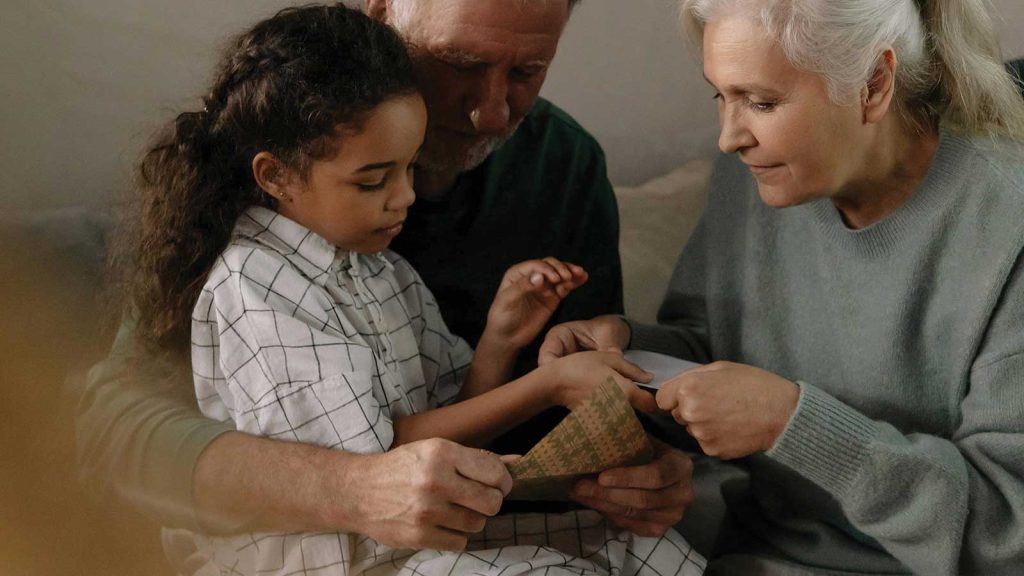
Grandparents often play an important role in a child’s life, providing love, stability, guidance, and support. When parents separate, divorce, or family relationships break down, grandparents may worry about losing contact with their grandchildren.
A common question is: Can grandparents legally apply for access to a child in South Africa?
The answer is yes. South African law recognises that, in certain circumstances, it may be in a child’s best interests to maintain a relationship with grandparents or other family members.
What Does South African Law Say?
Applications involving grandparents are primarily governed by the Children’s Act 38 of 2005.
The most important principle is: “The best interests of the child are of paramount importance in every matter concerning the child.” (Section 9 of the Children’s Act 38 of 2005)
This means the court will always focus on what arrangement is best for the child, rather than what is most convenient for the adults involved.
Can Grandparents Apply for Contact?
Yes.
The Children’s Act allows any person who has an interest in the care, wellbeing, or development of a child to approach the court for an order regarding:
Contact (access) to the child
Care of the child in certain circumstances
Parental responsibilities and rights where appropriate
Grandparents do not automatically receive contact rights, but they may apply for them.
When Might Grandparents Apply?
Common situations include:
After a divorce or separation.
Following the death of a parent.
Where a parent has cut off contact.
Where grandparents have been the child’s primary caregivers.
When maintaining the relationship would benefit the child emotionally and developmentally.
What Does the Court Consider?
The court does not simply ask whether the grandparents want contact. Instead, it considers whether contact serves the child’s best interests.
Factors may include:
The existing relationship between the child and the grandparents.
The child’s emotional wellbeing.
The child’s age and maturity.
Stability and continuity in the child’s life.
Any history of conflict, abuse, or neglect.
The wishes of the child (depending on age and maturity).
The ability of the grandparents to provide a positive and supportive relationship
Do Grandparents Have Automatic Rights?
No.
Unlike parents, grandparents do not automatically receive parental responsibilities and rights merely because they are grandparents.
However, if they can show that ongoing contact is in the child’s best interests, the court may grant an order allowing contact.
Can Grandparents Become Caregivers?
In certain cases, yes.
If grandparents have been caring for the child or if the parents are unable to provide proper care, a court may consider granting:
Care of the child
Guardianship in exceptional circumstances
Specific parental responsibilities and rights
These decisions are made carefully and always with the child’s welfare as the primary consideration.
The Role of the Family Advocate
In disputed matters, the Office of the Family Advocate may investigate and make recommendations to the court.
The Family Advocate may:
Interview the parents and grandparents.
Speak to the child where appropriate.
Obtain reports from social workers or psychologists.
Recommend an arrangement that serves the child’s best interests
Why Legal Advice Is Important
Family disputes involving children can be emotionally complex.
An attorney can assist grandparents with:
Applications for contact or care.
Parenting plans.
Family Advocate investigations.
Mediation and settlement discussions.
Court proceedings where necessary.
Early legal guidance can often help preserve important family relationships while reducing conflict.
Yes, grandparents can apply for access (contact) to a child in South Africa. The court’s decision will always be guided by one central principle: the best interests of the child.
Where a meaningful relationship exists, and continued contact would benefit the child, the law provides a mechanism for grandparents to seek protection of that relationship through the courts.